As Superman: Legacy flies into pre-production, let’s examine what audiences may be looking for from the Man of Steel on the big screen

by William Moon
Yesterday was the 85th anniversary of Superman’s first appearance in Action Comics #1. (The cover date is June 1938, but it went on sale on April 18th of that year.) To honor this momentous occasion, new DC Studios co-honcho James Gunn announced the start of pre-production on Superman: Legacy, his shared-universe-launching take on the Man of Steel. While Gunn has been fairly short on detail, the general vibe cultivated by the project is one that’s attempting to give audiences a more traditional take on Superman. It’s weird that it’s taken this long for that to be tried, but here we are.
Not that, of course, we haven’t had takes on Superman. Outside of comics (where there have been a near endless amount), we’ve had Supes in feature films, TV shows, animated series/films, and video games, with the character depicted both as a solitary hero or as part of the Justice League or some equivalent group. They’ve ranged from the relatively straightforward (if strange in ways that are often overlooked) Christopher Reeve take from the ’70s and ’80s film series to outré versions like the son of Zod in the animated Justice League: Gods and Monsters. While much has been made of the difficulties DC and Warner have had translating the character to film, multiple iterations of the Last Son of Krypton have thrived on TV going all the way back to Adventures of Superman with George Reeves in the 1950s. But certainly the lack of a definitive feature film take on one of DC’s linchpin characters has been a sore spot for Warner Bros. all the way through this recent comic book movie boom period.
The question remains – what are modern film audiences looking for in a Superman movie? The early serial films featuring the character, 1948’s Superman and 1950’s Atom Man vs. Superman, were squarely aimed at children. The hour-long 1951 effort Superman and the Mole Men serves essentially as a pilot for the then-forthcoming Adventures of Superman TV series, though it does feature a Superman who resolves the plot’s central conflict with compassion, which is notable. While these early projects helped develop the character, for the vast majority of the movie-going public, they got their first real taste of the Big Blue Boy Scout in 1978’s Superman.
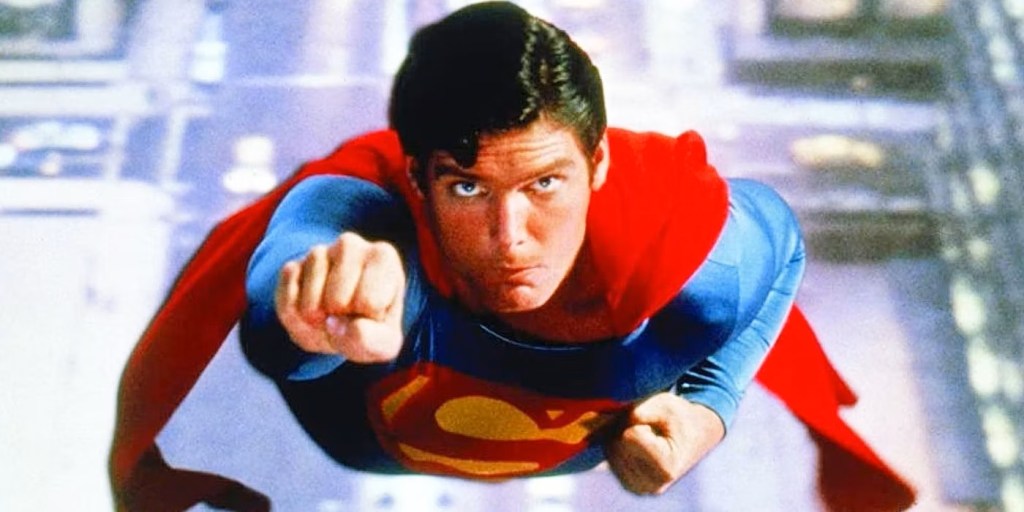
Starting with Richard Donner’s blockbuster, the Superman film franchise has shot for the moon, but mostly landed in the stars. And while they’ve generally done good business and most of them have ardent defenders (the first movie has been especially influential), it’s the areas where they’ve struggled that have pretty consistently dominated the conversation around them. Superman is just as late-’70s-era weird as it is iconic, and Superman II has a great story that struggles with wild tonal shifts due to its mid-production directorial change. The subsequent films with Christopher Reeve in the role are largely regrettable affairs, campy and bizarre in the case of Superman III and dispiritingly cheap in the case of Superman IV: The Quest for Peace.
Bryan Singer’s Superman Returns sure felt like it was going to do for the character what Batman Begins had done for its title hero the year before, but it just really didn’t measure up. As a semi-sequel to the Richard Donner parts of Superman and Superman II, it was too beholden to them and just largely boring on its own merits. (Its legacy is further marred by the sexual misconduct allegations against Singer and Kevin Spacey, who starred as Lex Luthor in the film.) That set the stage for Zack Snyder to eventually take over the reins with Man of Steel. (Both 21st-century solo Superman films were chosen over several proposed concepts, many of which had some big names attached to them and sound batshit crazy.)
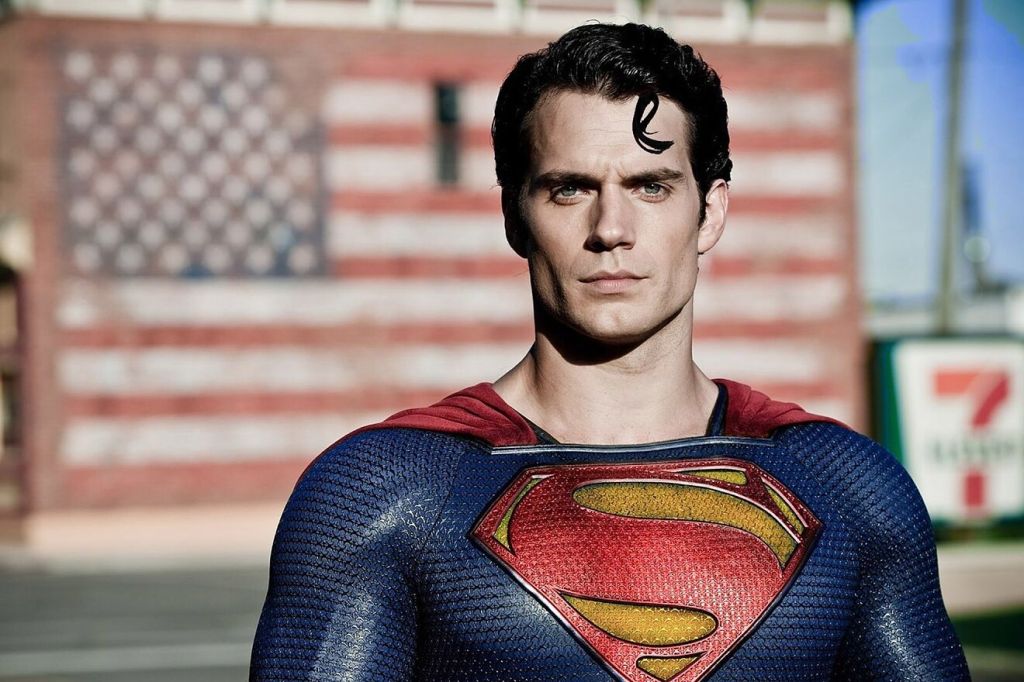
I remember sitting in the theater when the original Man of Steel teaser trailer ran ahead of The Dark Knight Rises. It was awesome. When Superman broke the sound barrier at the end, a guy behind me yelled out, “Aw, hell yeah!” Almost nothing DC has produced since then has come close to matching that brief experience (The Dark Knight Rises included). I don’t hate the full movie, which seems designed to provoke only strong reactions one way or the other, but there are clear flaws. The biggest one, which Warner realized far too late, is that this particular gloomy, washed-out take on Superman is not the one upon which to build your shared universe. The many, many problems with the resulting DCEU largely stem from that initial mistake.
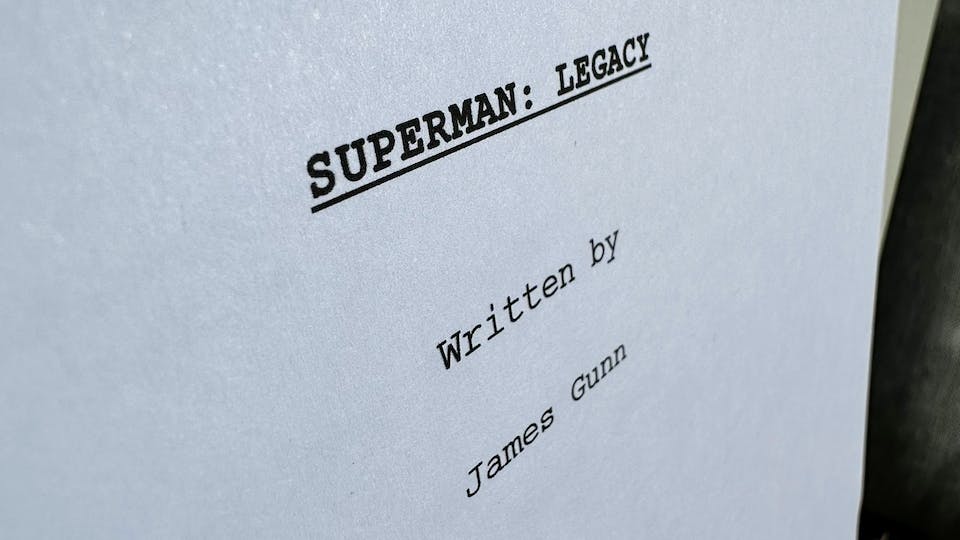
So that brings us here. James Gunn is not the filmmaker I would’ve first thought of when considering who would be the right person to bring the Man of Tomorrow back to the big screen. His storytelling style has always leaned subversive, going back to his Troma days, and he’s already produced an exceedingly dark riff on a Superman-like origin story, Brightburn, which was co-written by his brother Brian and cousin Mark. That said, he certainly could work in a different mode than many of his past projects here and deliver a film that lives more in its title hero’s wheelhouse. Obviously it remains to be seen if that’s what he decides to do, or – and this is the possible billion-dollar question – if that’s what the prospective audience wants. (For the record, Brad Bird is who I would hire for a Superman movie.)
So what do we want? While die-hard Snyderverse fans might disagree, it does seem like there’s an appetite for a Superman who reflects the generally brighter, more upbeat version from the comics. There are certainly grimmer versions of the character in that medium, but the baseline Superman typically provides a contrast to the dark, brooding Batman, with the two heroes’ home cities being emblematic of their different personas. The Silver Age of Comics, which covered a science-fiction and Space Race-tinged period of American history, has cast a long shadow over Superman (along with the Flash, Green Lantern, and a few others), with more of the zippy, often overtly ridiculous storytelling of that period still reverberating over the subsequent decades even as the comics medium grew darker and more mature (for better or worse).

The one major hint that Gunn has given us regarding the vibe of Legacy is repeated nods to Grant Morrison and Frank Quitely’s excellent All-Star Superman limited series. Elements of All-Star have been brought into past Superman productions, with a version of Jor-El’s speech to the title character being used in the Man of Steel teaser I referenced above. The series also was adapted into an enjoyable animated film in 2011, with about half the material from the comics making their way into its plot. While written by Morrison, who’s known to take characters to over-the-top places, and appearing in the Modern Age of Comics, the series is arguably the best example in the medium of taking a major character and managing to touch on elements of his entire history in one series without overloading the story. While the heavy sci-fi aspects and abrupt plot machinations can be too much for some readers, this is one of Morrison’s defining works, one of Superman’s definitive stories, and probably my all time favorite comic book.
What does all that mean for the movie? It’s difficult to say. The series is episodic by design, with Morrison loosely basing the issues on the mythological Labours of Hercules, so it resists any kind of direct film adaptation. I actually worked up my own idea for a Superman movie a couple years back that uses this story as a basis and brings in Brainiac (who’s not present in the comic series at all) as a kind of unifying threat. It’s possible that something like this is done (though it certainly wouldn’t be because I suggested it), but interestingly, while All-Star is a timeless take on the character, it is definitively set at the end of his career, while this film purports to give us a young Superman just setting out as a hero. So plot-wise it may not be the biggest influence, but as a vibe piece to lay out what kind of Superman we’re looking for here, I can’t think of a better starting point. (And none of this mentions the series’ version of Lex Luthor, which is an incredible take on the long-running supervillain. Perhaps even more than Superman, this is the character reading from the comic that needs to carry over to the movies.)
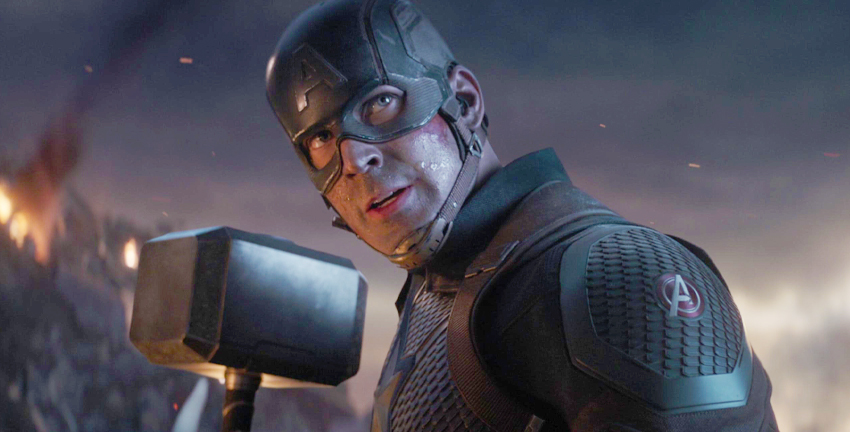
Many of the more traditional aspects of Superman have met resistance from Hollywood producers, who felt they were passé, while actors, directors, and critics have all questioned whether it’s possible for an actor or an audience to really connect with the character given his all-powerful nature. While I acknowledge that it’s not the easiest thing in the world to do, I simply don’t believe that these criticisms are true. And if All-Star Superman isn’t a mainstream enough source of inspiration, then look over to what Marvel Studios did with Captain America, a similar old-school, boy scout-type character. Marvel retained many of his aw-shucks charms even after he was transported by plot magic into the present day, and actor Chris Evans nailed every bit of playing a man like that in a world like the one he now found himself in. He never felt outdated. He just felt like a man who believed in doing the right thing, and the character and performance were almost universally praised as one of the pillars upon which the MCU empire was built (Robert Downey Jr.’s version of Iron Man is the other main one). Sometimes you’ve just got to trust your source material. You’re adapting it for a reason.
If I’m predicting anything, it’s that the All-Star influences are more in the background than the literal text of the movie, the MCU Captain America is definitely the model they work from, and that we do finally see Brainiac as the villain in a Superman film. (We’ve been close multiple times, and he’s appeared on several TV shows.) Is Gunn the right choice? Will the wider DCU succeed where the DCEU so loudly failed? Has the comic book movie bubble burst? (That last one might be the real question here.) We don’t know yet, and it’ll be 2025 before at least two of those can be answered. But, dammit, it shouldn’t be that hard to make a good Superman movie. We haven’t gotten one since at least 1981, if at all. DC can’t go forward without getting this character right. I don’t care about shared universes or anything else. Just make me believe a man can fly.
 Octopus Man
Leave a comment