by William Moon
Let’s face it – everyone hates every sports announcer. No matter how famous or experienced or well-paid an announcer is, there are legions of detractors out there, clogging up message boards and social media sites with complaints about how this guy’s dumb or obnoxious or – as all announcers and media entities always are – biased against their team. It’s a thankless job in many ways, even as we’re somewhat stupefyingly in an era where announcers can make absolutely preposterous amounts of money. And while the Dunning-Kruger effect is heavily at play here – no, random unemployed internet man, you don’t know more about football than Kirk Herbstreit, no matter how annoying or biased you swear he is – there’s more to it than that. What do we really want to hear from announcers? And how much have these standards changed over time?
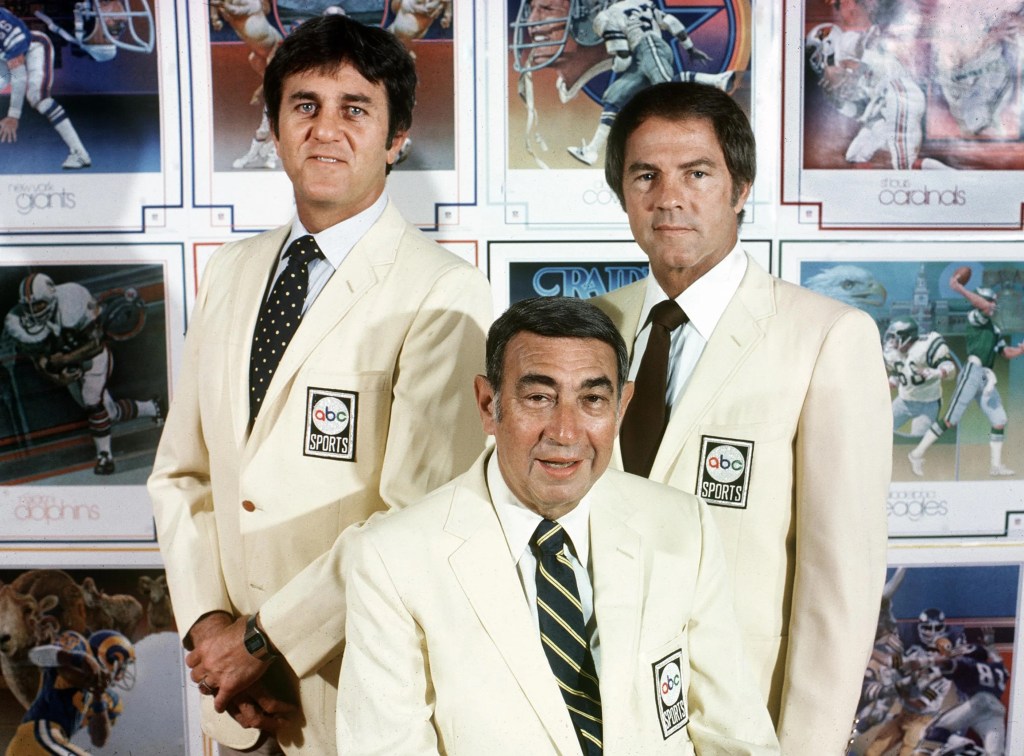
These are surprisingly thorny questions to answer. I actually feel like the second one may be a little more clear-cut than the first. The days of the big three networks and their bedrock sportscasting icons are long gone, and with it goes the national cachet enjoyed by the likes of Keith Jackson or Howard Cosell. Coming along in their wake were similar big names like John Madden, Bob Costas, Marv Albert, and the like, all of whom flourished during the early days of cable, when the amount of sports on TV increased dramatically but the (now) big four networks still reigned supreme. Most of the prominent voices from that era have retired and sadly some have passed on, with a few – like Costas – still hanging on. But the landscape has continued to change, and the pace of that change has significantly increased.
There’s a whole sidebar to get into here regarding the overvaluation of live sports rights when the streaming revolution really began in earnest (this would be in the early to mid 2010s) and how we’re now in an era where those overpriced chickens are coming home to roost in the form of repeated mass layoffs at ESPN and the absolute clusterfuck that baseball’s regional sports providers have become (among other things). But the upshot of all the rapid expansion of live sports coverage (and the even more rapid expansion of entertainment options across the board) is the likely permanent loss of the gravity that big sports broadcasts used to have. While the three-network days produced some insane examples (the 1969 Texas/Arkansas football game was literally watched by more than half the country), major sporting events through the ’80s, ’90s, and into the 2000s also routinely felt like they could stop the world, so to speak.
It doesn’t feel that way anymore. You still get games that cut through the noise and become true pop culture events – the 2013 Iron Bowl was definitely one, the Cubs finally winning the World Series, Tiger Woods’ likely final Masters win, etc. – but with the glut of live sports content that’s out there, it can be hard for any broadcast or broadcaster to really stand out. And with the proliferation of social media, there’s no shortage of people willing to blast you to high heaven over any perceived slight or shortcoming, even if there’s a shortage of actual people watching the game.
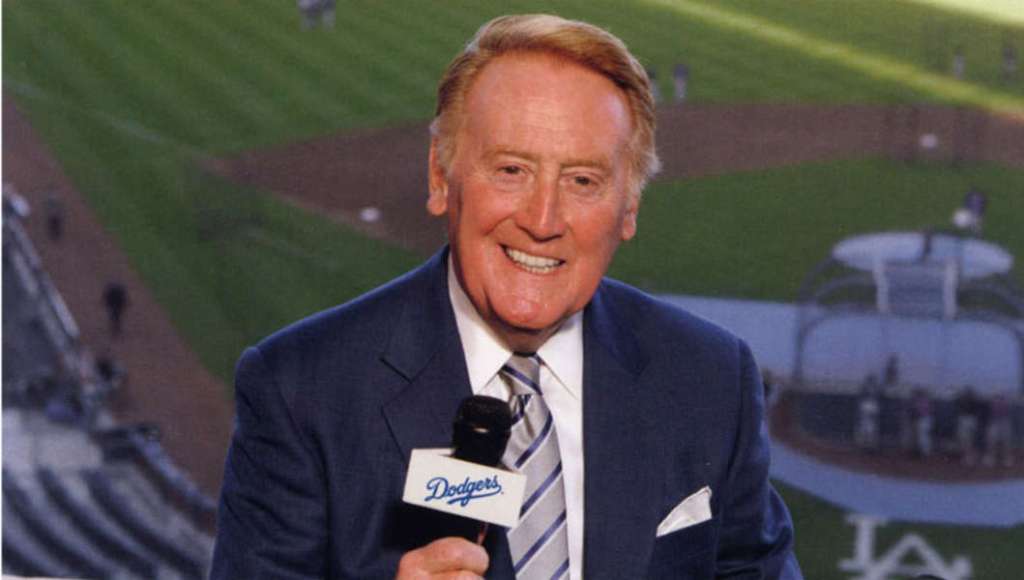
As for what we want out of a broadcaster, it’s hard to land on a single unifying set of traits. First off, play-by-play, color commentary, and sideline/field reporting are three different things, as is studio commentary. (This was perhaps best displayed when Booger McFarland, a generally reasonable/likable voice on ESPN’s college and pro football studio coverage, was promoted to Monday Night Football color commentary and withered in the role.) Across the board, we seem to mostly want voices who accompany and enhance the game being played without making themselves the center of attention. That seems reasonable, but also there is and has always been room for big, boisterous personalities like Dick Vitale or Bill Walton, who whether they intend to or not always feel like major characters in the drama (or oftentimes comedy) unfolding on your TV screen. (And this is to say nothing of Vin Scully, for my money the GOAT sportscaster, whose storytelling was almost always more interesting than the game.)
So, what then? What makes a good announcer? There are no hard and fast rules, but a general profile of what I’m looking for is as follows…
- Delivery certainly matters, but only to a point. A middling voice who fits the following criteria (Greg Olsen) is preferable to an excellent voice who doesn’t (Joe Tessitore), but some voices just can’t make it in broadcasting no matter how good they are at the other aspects of it (Reggie Miller, who isn’t particularly good at anything mic-related).
- Enhance the game, but don’t overwhelm the game – remember it’s the players the people want to see, and they can define a commentator’s career as much as anything. Marv Albert is still synonymous with pro basketball, but would he be as fondly remembered if he hadn’t come along during the NBA’s absolute zenith?
- Have a personality beyond random sports guy – while, say, Bob Costas can sometimes wax too poetic about old movies or whatever, you also don’t want to be a complete robot who seems completely unaware of the outside world.
- Be prepared, know as much as you can – prep is key, and while some viewers complain about announcers who talk too much or come off as arrogant, this is still far better than coming off as lazy or stupid (the Jason Witten debacle). But…
- Be willing to admit when you don’t know something – this can be a fine line, but again it’s not about your ego, it’s about the action. Being willing to learn about the game while covering the game is a good thing, much better than being dismissive or pulling something out of your ass and then refusing to back down from it.
- Let narratives develop organically – a lot of this is decided in the days before a broadcast, but you can tell when certain announcers are just forcing a narrative that isn’t there. Sometimes they won’t shut up about an off-field controversy or incident, but often on national broadcasts, they’re trying to drum up interest by crafting some old-school cinematic-type storyline that may or may not reflect what’s actually happening. Joe Buck, Jim Nantz, and Bob Costas are often guilty of this. And as an analyst, Gary Danielson incessantly does it, too.
- Most importantly, it should feel like you enjoy the game you’re covering – this may seem self-evident, but it is not. Far too many color commentators grumble their way through broadcasts, angry about rules or strategy changes, dismissive of current players, and just generally butthurt that they don’t get to play anymore. (While hearing Charles Barkley and Shaq openly trash someone like Dwight Howard is a feature of Inside the NBA and not a bug, it’d be less fun if they were doing that during live game commentary.)
There’s no underselling the importance of that last one. People don’t watch hours-long sports broadcasts just to hear somebody complain. This is where sometimes the best players can become the most off-putting announcers, and when paired with play-by-play guys who egg them on, the results can be downright brutal. John Smoltz, who was once a really a fun and engaging presence in the booth, now mostly just gripes his way through every major baseball broadcast. When he was paired with Joe Buck, who likes to stir complaints up, the duo could be particularly noxious. And the all-timer here is Joe Morgan, a truly transcendental baseball player whose barely concealed disdain for seemingly everything soured literally decades worth of ESPN national TV games. (Dishonorable mention to Phil Simms.)
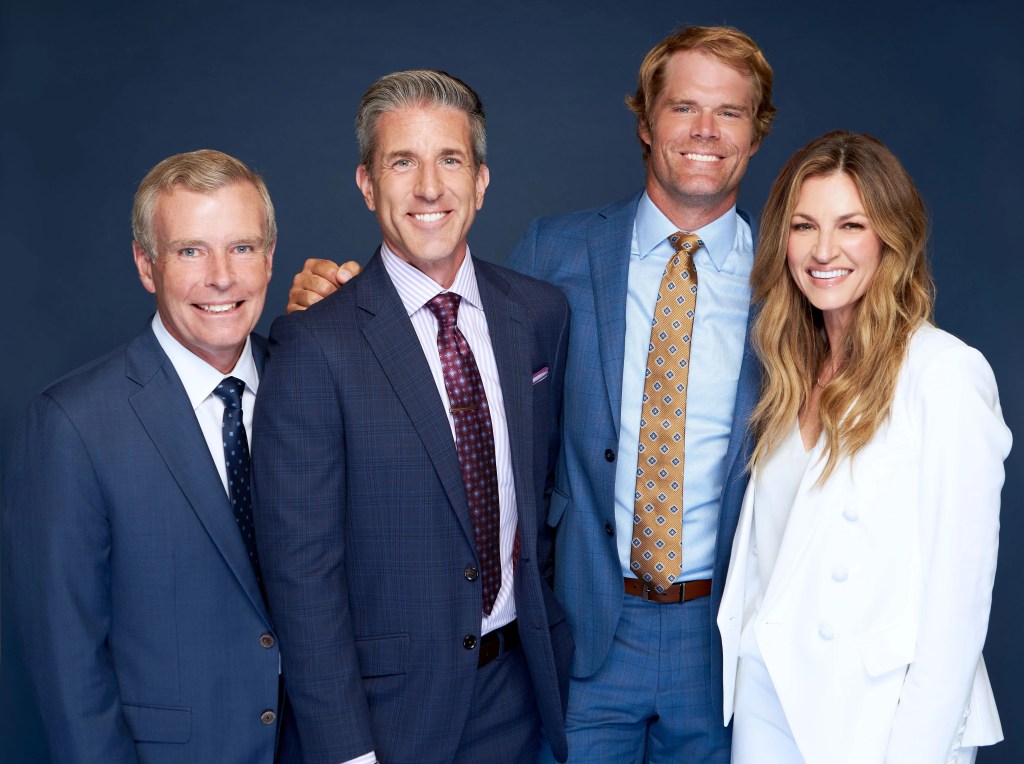
For current major broadcasting teams, Fox’s NFL A-crew of Kevin Burkhardt and Greg Olsen staked their claim last year to be perhaps the exemplar of the modern announcing crew – Burkhardt is a strong play-by-play voice without being too flashy, Olsen doesn’t have a booming voice but is clearly knowledgeable, they don’t make the game about themselves, and they don’t bitch and moan about how it used to be for three hours. Fox still has Tom Brady on the line for a massive amount of money to take over as their A-team color guy, but it’s probably doubtful that he’d be an improvement over Olsen. I don’t want to oversell how good this duo is, but they’re what they need to be in the current landscape – let the game do most of the talking and then expertly fill in the gaps.
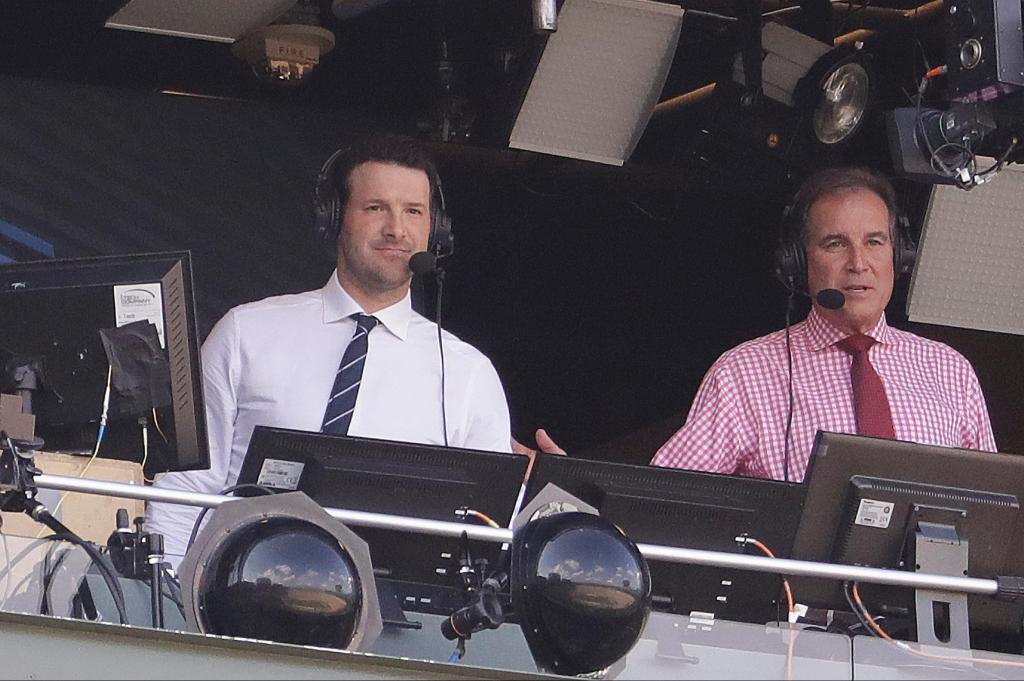
I’m also a Cris Collinsworth mark, much as he’s despised by many. Basically my line about “some viewers complain about announcers who talk too much or come off as arrogant” was written with him in mind, but I want someone who actually knows what they’re talking about doing the job, not someone who just looks good in a suit or is really loud/angry/emotional/whatever. No one covering the NFL can touch Collinsworth when it comes to prep, and only maybe Jay Bilas is in the same league when you expand it out to other sports. And Bilas is basically praised and criticized along the same lines, but again, he knows what he’s talking about. When your persona is “know-it-all”, you don’t get much room for error, but Collinsworth and Bilas continue to make their styles work and it’s all because they put in the extra effort. They’re also willing to continue to learn about the game as it evolves, which is in short supply among other analysts (cough Tony Romo cough).
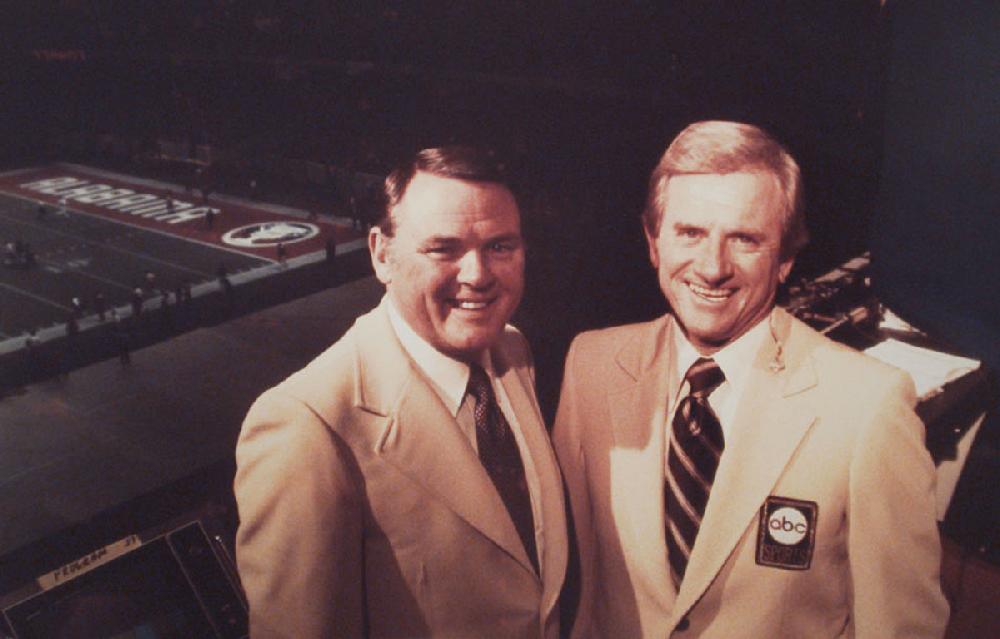
Al Michaels, at 78, still gets it done as a play-by-play man, and he represents one of the last of the older guard of voices who stretch back to the ’70s. His recent Amazon pairing with Kirk Herbstreit has been fine, but he and Collinsworth were truly excellent together. Herbie works really well with Chris Fowler on his college broadcasts and may improve as an NFL voice with more experience. He’s a little vanilla, but that’s sort of the point with him. For many, especially in the South, the college football standard is and always will be Keith Jackson and Frank Broyles, who essentially defined the sport for many years. That level of gravitas and folksy Southern wisdom can’t be replicated, and it’s no use even trying. Again, those were the voices for games that entire states watched.
For now, let’s enjoy the solid, but less definitive work of Fowler/Herbstreit or Sean McDonough and Todd Blackledge, who bring more of an old-school flair with McDonough’s booming voice (despite its cracks) and Blackledge’s steady analysis, which to his credit hasn’t really dipped in quality over the years. I feel like when pushed, this is the crew that most college football fans want, though I don’t hate Fox’s Gus Johnson/Joel Klatt crew. Johnson’s trademark excitement is kind of a unicorn in the field currently and Klatt pushes the “smarmy know-it-all” persona to its breaking point, but they’re much better than the majority of their peers. Dave Pasch and Greg McElroy worked well together, too, but they’ve been split up in recent years.
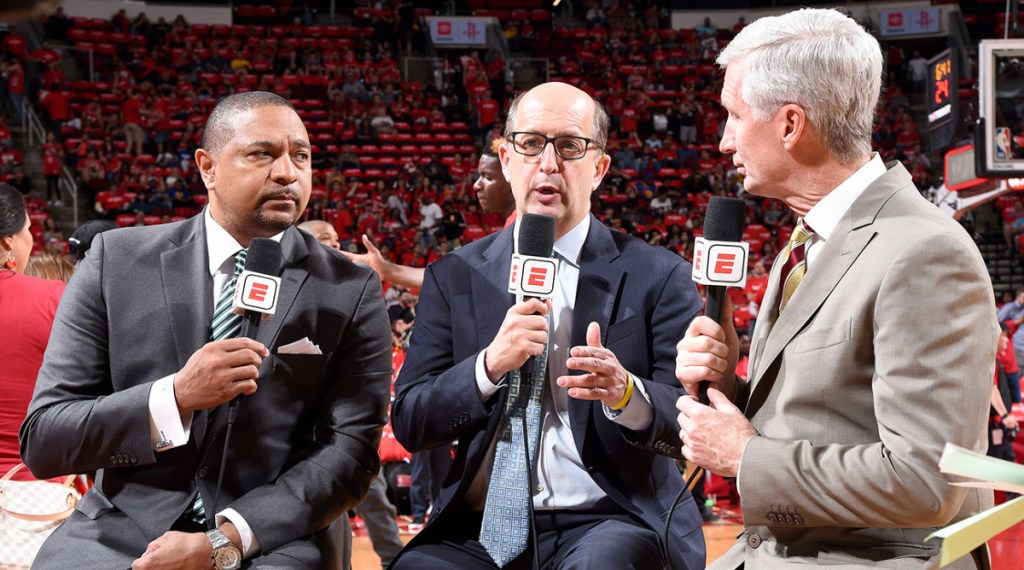
Brian Anderson is a solid play-by-play man when covering any sport, and his basketball pairings with Chris Webber and/or Stan Van Gundy in recent years have really shined. And with the NBA Finals about to start, the ESPN/ABC lead crew of Mike Breen, Jeff Van Gundy, and Mark Jackson will again be on the call. Breen is truly excellent, possibly the best play-by-play man working in any sport. His three-point “bang” call is one of the only real trademark calls out there right now. JVG, like his brother, is good. Jeff is goofier than Stan, but both know their stuff. And while there’s a certain humor to listening to Jackson continue to no-sell JVG’s jokes even after all this time, they’re still a strangely mismatched pair. And like Matt Millen all those years ago, whatever luster Jackson had as a commentator was tarnished by his underwhelming, weirdly combative stint as the Warriors’ head coach, compounded by them becoming an absolute juggernaut the minute he was shown the door.
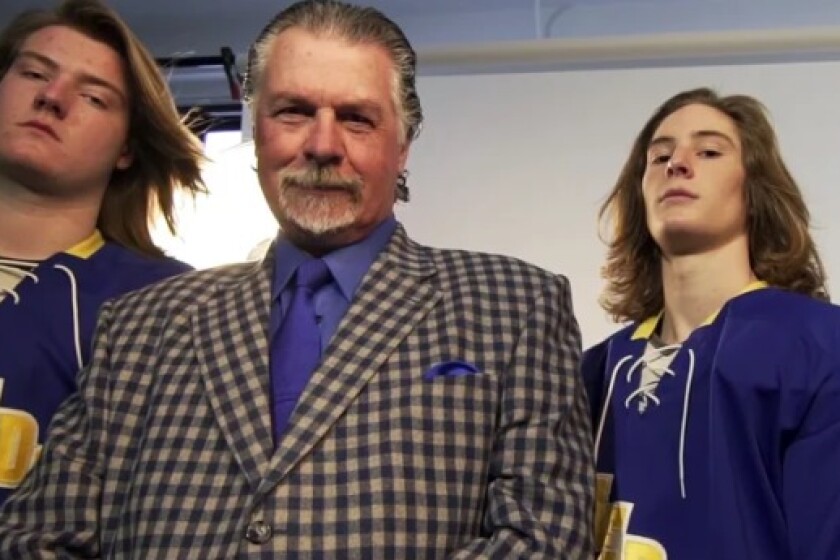
The other major North American sporting event that’s imminent is the Stanley Cup Finals. Studio stalwart Barry Melrose is a treasure and should be protected, and I’m not even a hockey fan.
In summation, know what you’re talking about and seem like you’re happy to be there. (And don’t be a creep.) Those don’t cover everything, but they’re as close to absolute truths as possible. As much as fans gripe about you, most of them would kill to have your job, so sound like you actually appreciate the opportunity you have. (Or be Bill Walton and make me feel like I’m on mescaline while watching a random Arizona State/Oregon game.)
 Octopus Man
Leave a comment